


Vests have evolved from purely functional garments into versatile fashion statements that elevate any wardrobe. Whether you’re drawn to tailored styles or relaxed silhouettes, understanding how to style a vest opens up countless outfit possibilities. This comprehensive guide explores everything from classic vest pairings to contemporary styling techniques that work across seasons and occasions. You’ll discover how to incorporate vests into your daily rotation through practical outfit ideas, expert recommendations, and detailed styling advice. From choosing the right cut for your body type to mastering seasonal transitions, this article provides the knowledge needed to wear vests with confidence and creativity while developing your personal approach to this timeless piece.
Top 10 Vest Outfit Ideas
Vests offer remarkable versatility that transforms basic outfits into polished ensembles. Their layering potential makes them essential for creating dimension and visual interest while maintaining practical comfort throughout your day.
Vests with White Button-Down Shirts
Combining vests with crisp white button-down shirts creates iconic looks that never go out of style. This pairing channels professional elegance while remaining surprisingly versatile across various settings. The clean contrast between the structured vest and the classic shirt produces outfits that feel both authoritative and approachable.
This combination works beautifully in professional environments where you need to project competence without appearing overly formal. Choose fitted vests that follow your natural waistline to create sleek silhouettes. The vest should be long enough to cover the shirt’s waistband but not so long that it overwhelms your proportions. Wool or cotton blend vests provide appropriate structure for office wear, while maintaining comfort during long workdays.
For traditional styling, button the vest completely and tuck your shirt neatly into tailored trousers or a pencil skirt. This creates clean vertical lines that elongate your frame while maintaining professional polish. Roll your shirt sleeves to the elbow for a more relaxed approach that still feels put-together. This technique works particularly well during transitional seasons when removing your blazer reveals the vest underneath.
Color coordination significantly impacts the overall effect. Navy or charcoal vests paired with white shirts create timeless combinations suitable for conservative workplaces. For more personality, try patterned vests with subtle checks or pinstripes that add visual interest without overwhelming the outfit. Keep accessories minimal with simple watches, stud earrings, and structured bags that complement rather than compete with the vest’s tailored aesthetic. Finish with oxford shoes or pointed-toe flats to maintain the polished vibe this pairing naturally creates.
Vests with Turtlenecks
Pairing vests with turtlenecks produces sophisticated layered looks perfect for cooler weather. The combination balances coverage with structure while creating interesting textural contrasts that elevate simple pieces into compelling outfits. This pairing works across casual and dressy contexts depending on your fabric choices and styling approach.
Fitted turtlenecks work best with vests, as they create smooth base layers that prevent bulk around the torso. Choose turtlenecks in merino wool or fine-gauge knits that hug your body without clinging uncomfortably. The sleek foundation allows the vest to drape properly and maintains clean lines throughout the outfit. Avoid chunky turtlenecks that add excessive volume under your vest, which can make you appear larger than you are.
Color combinations range from monochromatic sophistication to bold contrasts. Matching your turtleneck and vest in different shades of the same color creates elongated effects that flatter most body types. A cream turtleneck under a camel vest produces elegant neutral combinations perfect for professional settings. For more impact, try jewel-toned turtlenecks under black or navy vests. The pop of color adds personality while the vest provides structure.
This pairing transitions seamlessly from office to evening with simple adjustments. During work hours, pair the combination with tailored trousers and loafers. For evening events, swap pants for leather skirts or wide-leg trousers and add statement jewelry. The turtleneck provides warmth without requiring additional layers, making this combination practical for transitional weather. Layer blazers or coats overtop when temperatures drop further, creating sophisticated multi-layered looks that maintain their shape throughout the day.
Vests with Jeans
Combining vests with jeans creates effortlessly cool casual looks that work for countless everyday situations. This pairing balances the vest’s structured formality with denim’s relaxed attitude, producing outfits that feel current without trying too hard. The key lies in selecting the right vest style and jean cut to complement each other effectively.
Tailored vests in wool or cotton blends pair beautifully with straight-leg or bootcut jeans for balanced proportions. The vest adds polish to casual denim while the jeans keep the overall look approachable and comfortable. Dark wash jeans create more sophisticated combinations suitable for casual Fridays or dinner dates, while lighter washes lean into relaxed weekend aesthetics. Avoid distressed denim with formal vests, as the contrast feels jarring rather than intentional.
Layer simple fitted tees or tanks under your vest as base layers. White, black, or gray basics work universally well, allowing the vest to become the focal point. For added warmth, try thin long-sleeve tees or button-down shirts with sleeves rolled to three-quarter length. This creates visual interest while maintaining the casual vibe denim naturally brings to any outfit.
Footwear choices significantly impact how casual or polished the combination appears. White sneakers emphasize the relaxed aesthetic perfect for weekend errands or casual meetups. Ankle boots add edge while maintaining comfort for walking. Loafers or ballet flats create smart-casual looks that work for less formal work environments. Add crossbody bags and minimal jewelry to complete these outfits without overwhelming them. This versatile pairing proves that structured pieces and casual staples can coexist beautifully when styled thoughtfully.
Vests with Midi Skirts
Pairing vests with midi skirts produces feminine yet polished outfits that work beautifully across seasons. This combination balances the vest’s masculine-inspired structure with the skirt’s inherent femininity, creating looks that feel modern and sophisticated. The contrast between these elements produces visual tension that makes outfits memorable.
Fitted vests complement fuller midi skirts like pleated or A-line styles by providing structure that balances volume. The vest defines your upper body while the skirt flows gracefully from the waist down. This proportion management flatters most body types by creating hourglass illusions. Choose vests that end at your natural waist or slightly below to maintain proper balance with the skirt’s length.
For professional environments, pair structured wool vests with solid-colored midi skirts in neutral tones. Layer fitted turtlenecks or button-downs underneath for complete coverage that feels appropriate for conservative workplaces. The combination projects authority while maintaining approachability. During warmer months, wear simple silk camisoles under vests for breathable options that still feel polished.
More casual approaches involve pairing denim or utility vests with flowing floral midi skirts. This high-low mixing creates contemporary looks perfect for weekend activities or creative work environments. The structured vest grounds the feminine skirt, preventing the outfit from appearing overly romantic or impractical. Finish with ankle boots during cooler months or strappy sandals when weather warms. Add delicate jewelry and small crossbody bags to maintain the feminine aesthetic while keeping your hands free for daily activities.
Vests with Wide-Leg Trousers
Combining vests with wide-leg trousers creates elegant, elongated silhouettes that exude confidence and modern sophistication. This pairing has become increasingly popular as workplaces embrace less traditional professional attire while maintaining polish. The vest provides structure that prevents the flowing trousers from overwhelming your frame.
High-waisted wide-leg trousers work particularly well with vests, as they create long vertical lines from waist to floor. The vest should end at or slightly below your natural waist to maintain these elongating proportions. Avoid longer vests that extend past the trouser waistband, as this breaks the silhouette and can make you appear shorter. Choose trousers in fabrics with enough weight to drape properly without clinging, such as wool crepe or structured cotton blends.
Layer fitted tops under your vest to create smooth foundations. Thin knit tops, silk shells, or simple tanks all work beautifully. The slim base layer prevents bulk while allowing the vest and trousers to maintain their intended shapes. For added warmth, try fitted long-sleeve tops in coordinating colors. Keep everything tucked neatly into the trousers to maintain clean lines.
Color coordination plays a crucial role in pulling off this combination successfully. Monochromatic looks in shades of beige, gray, or navy create sophisticated professional outfits perfect for important meetings or presentations. Contrasting colors add visual interest while maintaining polish. Try camel vests over black wide-leg trousers, or navy vests with cream pants. Finish with pointed-toe heels or heeled loafers to maintain the elongated proportions this pairing creates. Add structured totes or satchels that complement the outfit’s professional aesthetic without appearing too casual.
Vests with Leather Pants
Pairing vests with leather pants produces edgy, fashion-forward looks that command attention. This combination balances tough and polished elements to create outfits that feel contemporary and bold. The structured vest tempers leather’s inherent edge while maintaining the combination’s overall impact.
Choose vests in complementary fabrics that create textural contrast with leather. Wool or tweed vests add sophistication that elevates leather pants beyond purely edgy territory. The fabric mixing creates dimensional looks that feel intentional rather than costume-like. Fitted vests work best with leather pants, as both pieces have structure that creates sleek, streamlined silhouettes when properly fitted.
Layer simple tops under vests to avoid competing elements. Fitted turtlenecks in neutral colors create smooth foundations perfect for showcasing the vest and pants. Alternatively, try silk camisoles for evening looks that feel more romantic despite the leather. Keep base layers relatively plain, allowing the vest and pants to provide visual interest through their textures and cuts.
This combination works beautifully for evening events, dinners, or creative professional environments. Black leather pants paired with gray or charcoal vests create monochromatic looks with subtle variation. For more impact, try colored vests over black leather pants. Burgundy, forest green, or navy vests add personality while maintaining sophistication. Finish with heeled ankle boots or pointed-toe pumps that complement the sleek aesthetic. Add minimal jewelry and structured clutches or small shoulder bags to complete these statement-making outfits without overwhelming them.
Vests with Slip Dresses
Layering vests over slip dresses creates unexpected combinations that feel both feminine and structured. This pairing demonstrates advanced styling confidence by mixing traditionally dressy pieces with tailored outerwear. The contrast between delicate slips and structured vests produces looks that feel current and individualistic.
Slip dresses in silk or satin provide ideal foundations for vest layering. Their smooth, simple silhouettes allow vests to layer cleanly without bulk or bunching. Choose slip dresses that fall to midi length for most flattering proportions when paired with vests. The vest should end at your natural waist or slightly below, allowing the slip dress to flow gracefully underneath.
This combination works across seasons with appropriate styling adjustments. During warmer months, wear the vest unbuttoned over the slip dress for breezy looks perfect for brunches or gallery openings. The open vest creates vertical lines that elongate while adding structure to the flowing dress. When temperatures drop, button the vest completely and layer turtlenecks or fitted long-sleeve tops underneath the slip dress for added coverage and warmth.
Color coordination significantly impacts whether this pairing reads as casual or dressy. Neutral vests over patterned slip dresses create balanced looks suitable for various occasions. Try camel vests over floral slips for romantic daytime aesthetics, or charcoal vests over solid jewel-toned slips for evening events. Footwear choices dramatically affect the overall vibe. Strappy heels emphasize femininity, while loafers or oxford shoes lean into the masculine-feminine contrast. Add delicate jewelry and small bags to maintain the feminine elements while letting the vest provide necessary structure.
Vests with Graphic Tees
Combining vests with graphic tees creates casual, contemporary looks that balance polished and relaxed elements effectively. This pairing demonstrates styling versatility by mixing structured tailoring with streetwear influences. The vest elevates casual graphic tees into outfits suitable for more situations than tees typically allow.
Choose graphic tees with designs that complement rather than compete with your vest. Vintage band tees, simple logo designs, or artistic prints all work beautifully. The tee should fit relatively close to your body to prevent bulk when layering the vest overtop. Avoid oversized graphic tees that bunch awkwardly under fitted vests. Keep the tee tucked into your bottoms or partially tucked at the front to define your waistline.
This combination works with various bottom options depending on your desired aesthetic. Pair with jeans for classic casual looks perfect for weekends. Try with leather pants for edgier combinations suitable for concerts or evening outings. Wide-leg trousers dressed down with graphic tees and vests create interesting high-low mixing that feels current. The vest provides structure that makes even the most casual pieces feel intentional and styled.
Color coordination affects how casual or polished the combination appears. Black or gray vests work universally with most graphic tees while providing neutral foundations. Colored or patterned vests add personality but require more careful coordination with your tee’s design. Keep footwear relatively simple with sneakers, ankle boots, or loafers that maintain the casual vibe. Add crossbody bags and minimal jewelry to complete these outfits without overwhelming the graphic tee’s design or the vest’s structure.
Vests with Culottes
Pairing vests with culottes produces relaxed yet polished looks that prioritize comfort without sacrificing style. This combination creates interesting proportions that feel modern and fresh while remaining practical for various activities. The vest adds structure that prevents culottes from appearing too casual or shapeless.
Fitted vests complement culottes’ wide silhouette by providing definition at the torso. The contrast between the structured vest and the flowing culottes creates balanced proportions that flatter most body types. Choose vests that end at your natural waist to maintain proper balance with culottes’ typically high-waisted cuts. This creates an elongating effect that maximizes the flattering potential of both pieces.
Layer simple fitted tops under vests to create smooth foundations. Thin knits, silk shells, or basic tees all work well. Keep base layers tucked into culottes to maintain clean lines and defined waistlines. For added warmth, try fitted turtlenecks or long-sleeve tops in coordinating colors. The key is preventing bulk around the torso while allowing the culottes to maintain their intended drape and movement.
This combination transitions easily from casual to smart-casual depending on fabric choices and styling. Denim or linen culottes paired with cotton vests create relaxed weekend looks perfect for shopping or brunches. Wool or tweed vests over tailored culottes in structured fabrics work beautifully for creative professional environments. Finish with loafers or ankle boots that complement the outfit’s overall aesthetic. Add structured totes or crossbody bags and simple jewelry to complete these comfortable yet polished looks that prove style and ease can coexist.
Vests with Shorts
Combining vests with shorts creates playful yet pulled-together looks perfect for warmer weather. This pairing adds structure and visual interest to simple shorts while maintaining breezy comfort essential for hot days. The vest provides sophistication that elevates shorts beyond purely casual territory.
Tailored shorts in neutral colors work best with vests for polished appearances. Choose shorts that fall to mid-thigh or slightly above the knee for most flattering proportions. The vest should be relatively fitted to balance the shorts’ shorter length and prevent top-heavy appearances. Wool blend or cotton vests provide appropriate structure without adding excessive warmth during summer months.
Layer simple tanks or fitted tees under vests as base layers. White, black, or neutral basics allow the vest to become the focal point while maintaining cohesive looks. For slightly dressier approaches, try silk camisoles under unbuttoned vests. This creates elegant warm-weather outfits suitable for outdoor dinners or daytime events. Keep everything relatively fitted to prevent bulk and maintain clean silhouettes.
Footwear dramatically affects how casual or polished this combination appears. White sneakers emphasize relaxed vibes perfect for daytime activities. Loafers or oxford shoes add preppy sophistication suitable for smart-casual environments. Heeled sandals dress up the combination for evening events or dinner dates. Add crossbody bags or small shoulder bags that keep your hands free while maintaining the outfit’s balanced proportions. This versatile pairing proves that vests extend beyond cold-weather layering into warm-season styling when approached thoughtfully.
Types and Styles of Vests
Understanding the various vest styles available helps you select pieces that align with your aesthetic preferences and lifestyle needs. Each type offers distinct advantages and styling possibilities that expand your wardrobe’s versatility.
Tailored vests represent the most classic option, featuring structured construction that creates polished silhouettes. These typically include button closures, defined armholes, and darts that shape the garment to follow your body’s natural contours. Tailored vests work beautifully in professional settings and formal occasions. Fabrics range from wool and tweed for cooler months to cotton and linen blends for warmer weather. The structured nature makes them ideal for creating sharp, authoritative looks that command respect in business environments.
Sleeveless blazers blur the line between traditional vests and jackets by incorporating blazer details like notched lapels, welt pockets, and sometimes even shoulder padding. These elongated styles often extend to hip length or below, creating dramatic vertical lines. Sleeveless blazers provide more coverage than standard vests while maintaining the layering benefits. They work particularly well with dresses or over long-sleeve tops, creating sophisticated outfits suitable for various occasions from office wear to evening events.
Utility vests draw inspiration from workwear and outdoor clothing with their multiple pockets and relaxed fits. These casual styles typically feature snap or zipper closures and come in durable fabrics like canvas or denim. Utility vests excel in casual settings and creative work environments where traditional tailoring feels too formal. Their practical pockets add functionality while the relaxed silhouettes create approachable, comfortable looks perfect for everyday wear.
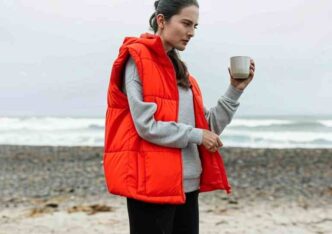
Puffer vests provide warmth through insulated construction while maintaining sleeveless designs that allow freedom of movement. These sporty styles work best in casual contexts and outdoor activities. Modern puffer vests come in various lengths from cropped to hip-length, with sleek designs that integrate into fashion-forward outfits beyond purely athletic purposes. They layer beautifully over long-sleeve tops and hoodies for transitional weather.
Knit vests offer softer, more relaxed alternatives to structured styles. These can range from fine-gauge sweater vests to chunky cable-knit versions. Knit vests provide warmth without the bulk of full sweaters while creating interesting textural elements in outfits. They work particularly well in casual and smart-casual settings, layering beautifully over button-downs or turtlenecks. The softer construction makes them comfortable for all-day wear while maintaining visual interest.
Cropped vests end above the natural waist, creating modern proportions that work beautifully with high-waisted bottoms. These contemporary styles elongate the leg line while providing just enough coverage and structure to elevate outfits. Cropped vests work well in fashion-forward casual settings and creative environments. They pair particularly well with wide-leg trousers or high-waisted skirts where the abbreviated length highlights the waistline.
Longline vests extend past the hips to mid-thigh or beyond, creating dramatic vertical lines that elongate your frame. These statement pieces work beautifully as lightweight coat alternatives during transitional seasons. Longline vests pair well with fitted bottoms that balance their length and prevent overwhelming your proportions. They create sophisticated looks suitable for various occasions depending on fabric and styling choices.
How To Choose The Best Vest
Selecting the right vest involves evaluating multiple factors from fit to fabric quality. Thoughtful consideration of these elements ensures you invest in pieces that work seamlessly within your existing wardrobe.
Start by assessing the fit around your shoulders and armholes. Vests should sit smoothly across your shoulders without pulling or gaping. Armholes should be cut high enough to prevent excess fabric under your arms but not so tight that they restrict movement or create bulging. Try raising your arms and moving naturally while trying on vests to ensure comfort in various positions.
Evaluate the length relative to your body proportions and intended styling. Standard vests typically end at the natural waist or slightly below, creating classic proportions that work with most bottoms. Longer vests suit those wanting more coverage or contemporary silhouettes, while cropped styles work best when paired with high-waisted bottoms. Consider where the hem falls in relation to your bottom’s waistband to avoid awkward visual breaks.
Examine the closure system and button placement. Buttons should align properly down the center front without gaping when fastened. The vest should close comfortably without pulling across your bust or torso. Some vests include adjustable back straps that allow you to customize the fit, which can be valuable if you fluctuate in size or want versatility in how the vest fits.
Consider fabric quality and construction. Quality vests feature clean, even stitching without loose threads. Seams should lie flat and feel secure. Check lining quality on lined vests to ensure it’s properly attached and smooth against your body. Natural fibers like wool, cotton, and linen typically offer superior durability and comfort compared to purely synthetic options, though blends often provide practical benefits like wrinkle resistance.
Think about versatility within your existing wardrobe. Neutral colors like black, navy, gray, and camel integrate easily with multiple outfits, maximizing your cost-per-wear. Patterned or colored vests add personality but require more careful coordination. Consider your typical style aesthetic and select vests that enhance rather than conflict with your preferences.
Evaluate care requirements realistically. Some vests require dry cleaning while others tolerate machine washing. Choose options that align with your willingness to maintain them properly. Vests requiring high-maintenance care may sit unworn if you prefer low-effort wardrobe pieces.
Seasonal Style Guide for Vests
Vests adapt beautifully across seasons through thoughtful styling and appropriate fabric selections. Understanding how to incorporate them throughout the year maximizes their value and wearability.
Spring styling embraces vests as transitional layering pieces perfect for fluctuating temperatures. Lightweight cotton or linen vests pair beautifully with long-sleeve button-downs or thin sweaters for cool mornings that warm throughout the day. The vest provides just enough warmth without causing overheating as temperatures rise. Layer over floral dresses or pair with pastel trousers and white tees for fresh seasonal looks. Lighter colors and softer fabrics align with spring’s renewal energy. Finish with loafers or low heels and add crossbody bags for practical style. As weather stabilizes, vests layer over short-sleeve tops for additional styling without excessive warmth.
Summer requires strategic vest choices to avoid overheating. Linen vests in light colors provide the most comfortable warm-weather options. Layer over sleeveless tops or short-sleeve blouses for added structure without warmth. Pair with shorts or lightweight trousers for breathable outfits suitable for air-conditioned offices or evening activities when temperatures cool. Utility vests in breathable fabrics work well for outdoor events or travel where pocket functionality proves valuable. Keep summer vest styling relatively minimal to maintain comfort. Skip additional layers and choose vests in neutral tones that don’t absorb excessive heat. Finish with sandals or canvas sneakers and minimal accessories.
Autumn represents peak vest season when layering becomes both practical and stylish. Wool and tweed vests provide appropriate warmth for crisp fall weather. Layer over turtlenecks, button-downs, or thin sweaters for temperature-appropriate outfits. Rich autumn colors like burgundy, forest green, and burnt orange complement the season’s changing landscape beautifully. Pair vests with jeans and ankle boots for casual weekend style, or combine with tailored trousers for professional looks. The moderate temperatures allow creative layering without bulk. Add scarves when needed and carry structured bags that complement fall’s sophisticated aesthetic. Vests transition easily from day to evening during autumn by simply swapping casual bottoms for dressier options.
Winter styling incorporates vests as mid-layers under coats and jackets rather than outerwear themselves. Fitted vests layer smoothly under blazers, wool coats, or puffer jackets without creating excessive bulk. Choose thinner fabrics that provide warmth through layering rather than thick materials that limit coat options. Pair with long-sleeve base layers and warm bottoms. The vest adds insulation and visual interest when you remove outer coats indoors. Heavier fabrics like wool flannel work well for winter vests. Darker colors align with winter’s muted palette while hiding potential weather-related stains better than lighter shades. Finish with boots and carry totes large enough for additional layers you might remove throughout the day.
Do’s and Don’ts of Wearing Vests
Successfully styling vests requires understanding key principles that enhance your appearance while avoiding common mistakes that compromise overall looks.
Do pay attention to proportions when building outfits around vests. The vest’s length should balance with your bottom’s style and your overall height. Standard vests ending at the natural waist work well with most bottoms and body types. Longer vests suit those wanting contemporary silhouettes but require careful pairing with fitted or slim bottoms to avoid overwhelming your frame. Cropped vests work best with high-waisted bottoms where the abbreviated length highlights rather than disrupts your waistline.
Don’t wear vests that fit too tightly across the chest or torso. Pulling fabric creates unflattering lines and restricts movement, making you uncomfortable throughout the day. Vests should skim your body without clinging or gaping. When buttoned, you should be able to slide a hand between the vest and your body comfortably. If buttons strain or pull when fastened, the vest is too small regardless of what the size tag indicates.
Do layer appropriate base layers under vests. Fitted tops work best to prevent bulk and maintain clean lines. Turtlenecks, button-downs, fitted tees, and thin sweaters all provide suitable foundations. The base layer should be long-sleeved during cooler months or sleeveless in warm weather. Avoid overly loose or bulky tops that bunch awkwardly under vests, creating unflattering silhouettes and uncomfortable bunching.
Don’t neglect the importance of proper armhole fit. Armholes cut too low create excess fabric under your arms that looks sloppy and restricts movement. Well-fitted armholes sit close to your body without binding when you move your arms. This detail significantly impacts how polished and professional your vest appears. Try moving your arms in various positions when trying on vests to ensure comfortable, attractive fit.
Do consider the formality level of your vest relative to the rest of your outfit. Tailored wool vests suit professional environments and dressy occasions. Casual denim or utility vests work better for relaxed settings. Mixing formality levels can create interesting contrasts, but the combination should feel intentional rather than haphazard. A structured vest dresses up casual jeans while a relaxed vest dresses down tailored trousers.
Don’t overlook the vest’s closure when deciding how to wear it. Vests can be worn buttoned completely for traditional, polished looks, or left open for more relaxed styling. When leaving vests unbuttoned, ensure your base layer looks intentional rather than like an afterthought. Simple fitted tops work best under open vests. Partially buttoning vests creates casual looks that maintain some structure.
Do pay attention to color coordination between your vest and other outfit elements. Monochromatic combinations create sophisticated, elongated effects that flatter most body types. Neutral vests in black, navy, gray, or camel integrate easily into multiple outfits. Patterned or colored vests add personality but require more thoughtful coordination with your tops and bottoms to avoid visual chaos.
Don’t forget about accessories when styling vests. Since vests add a layer at your torso, keep jewelry relatively simple to avoid overwhelming your upper body. Delicate necklaces work better than chunky statement pieces. Watches and simple bracelets complement vest outfits nicely. Bags should be proportionate to your overall look. Structured totes or crossbody bags typically work better than oversized bags that compete with the vest’s structure.
Do consider footwear carefully as it significantly impacts your outfit’s overall vibe. Heels or heeled boots create polished, elongated silhouettes perfect for professional settings. Flats like loafers or oxfords maintain sophistication while providing comfort. Sneakers dress down vest outfits for casual weekend styling. Match your footwear’s formality to your vest and occasion.
Don’t wear vests that are too long without careful styling. Longline vests can overwhelm shorter frames or create unflattering proportions if paired with the wrong bottoms. If you choose longer vests, balance them with fitted or slim bottoms that prevent the outfit from appearing top-heavy. Pay attention to where the vest’s hem falls relative to your bottom’s length to maintain visual balance.
7 Tips on How to Wear Vests
Mastering vest styling involves understanding key techniques that elevate outfits from basic to exceptional. These practical recommendations help you navigate common styling challenges while maximizing versatility.
First, always ensure your base layer looks intentional whether wearing your vest open or closed. The layer underneath should be neat, fitted, and appropriate for the occasion. Avoid wearing casual undershirts or camisoles meant as undergarments when planning to remove your vest throughout the day. Choose tops that could stand alone if needed. This ensures your outfit maintains polish even when you adjust layers for temperature comfort.
Second, experiment with different vest lengths to discover what works best for your body proportions. Standard lengths ending at the natural waist suit most body types and integrate easily into various outfits. Petite individuals should avoid very long vests that overwhelm their frames, while taller people can carry longer styles more easily. Try various lengths before committing to ensure flattering fit that makes you feel confident.
Third, master the art of mixing textures to create dimensional, interesting outfits. Combine smooth silk blouses with textured tweed vests, or pair soft knit vests with structured denim. The textural contrast adds visual interest that elevates even simple color combinations. This technique proves particularly valuable when creating monochromatic outfits where texture provides necessary variation.
Fourth, consider investing in quality neutral vests that work across multiple outfits rather than accumulating many trendy options with limited versatility. A well-made black, navy, or gray vest integrates seamlessly with countless combinations while providing superior longevity compared to cheaper alternatives. Quality construction maintains shape through repeated wearing and creates polished appearances that justify higher initial costs.
Fifth, pay attention to seasonal fabric choices to ensure comfort across different weather conditions. Lightweight cotton or linen vests suit warmer months while wool and tweed versions provide appropriate warmth for fall and winter. Having vests in season-appropriate fabrics extends their wearability throughout the year rather than limiting them to specific months. This maximizes your investment while ensuring comfort.
Sixth, don’t be afraid to wear vests in unexpected ways that showcase personal style. Try vests over dresses for contemporary feminine looks, or pair with leather pants for edgy sophistication. Fashion’s beauty lies in creative expression, so experiment with combinations that feel authentic to you rather than rigidly following traditional rules. The most memorable outfits often come from unconventional pairings.
Seventh, maintain proper care for your vests to ensure longevity and consistent good appearance. Follow care instructions carefully, whether that means dry cleaning, hand washing, or machine washing on gentle cycles. Store vests on proper hangers that maintain their shape rather than folding them where creases develop. Regular maintenance keeps vests looking fresh and polished season after season, protecting your investment while ensuring they remain wardrobe staples you reach for repeatedly.
Best Alternatives to Vests
While vests offer tremendous versatility, several alternatives provide similar layering benefits with different aesthetics and practical considerations.
Blazers represent the most obvious vest alternative, providing similar structure with the addition of sleeves. Single-breasted blazers in neutral colors create polished professional looks that work across various settings. Blazers offer more coverage than vests while maintaining the tailored sophistication that elevates outfits. Pair them with jeans for smart-casual looks or with trousers and skirts for professional environments. Blazers work beautifully year-round by adjusting sleeve length seasonally between short sleeves, three-quarter sleeves, and full-length options.
Cardigans provide softer layering alternatives that create relaxed, approachable aesthetics. These versatile pieces work in casual and smart-casual settings, offering adjustable coverage through open or closed styling. Long cardigans create elongated silhouettes similar to longline vests, while cropped versions provide proportion play with high-waisted bottoms. Pair cardigans with dresses, jeans, or trousers for comfortable layered looks. They excel during transitional seasons when you need flexible layering options throughout the day.
Shackets blend shirt and jacket characteristics to create casual layering pieces perfect for relaxed environments. These typically feature button closures, collar details, and slightly oversized fits. Shackets work beautifully as outer layers during mild weather or mid-layers under coats when temperatures drop. Pair them with jeans, leggings, or casual skirts for weekend styling. The relaxed nature makes them ideal for outdoor activities, travel, or creative work environments where traditional blazers feel too formal.
Conclusion
Vests represent remarkably versatile wardrobe additions that bridge casual and formal styling with ease. Understanding how to incorporate them into your rotation through thoughtful pairings and attention to fit transforms these pieces from occasional novelties into dependable staples. The key lies in selecting styles that complement your body proportions and lifestyle needs while experimenting with various combinations that showcase personal aesthetic preferences.
Success with vests comes from mastering proportion management, choosing appropriate fabrics for different seasons, and styling them confidently across various contexts. Whether you prefer tailored wool versions for professional environments or relaxed utility styles for casual weekends, vests adapt to your needs while adding dimension and visual interest to outfits. The styling possibilities extend from classic pairings with button-downs to contemporary combinations with leather pants or slip dresses. By following the guidelines and recommendations throughout this article, you can confidently incorporate vests into your wardrobe, creating countless outfits that feel both polished and authentically you.